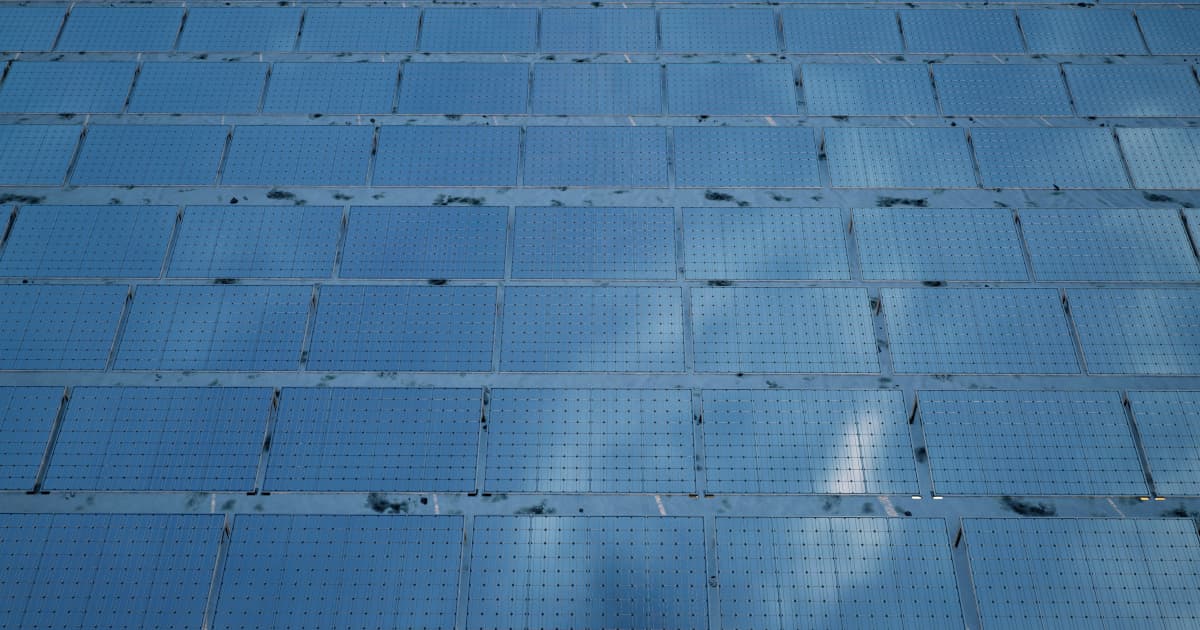
PowerBank Corporation has executed lease and power purchase agreements with the New York State Division of Military and Naval Affairs to develop a 20 MW DC portfolio of solar and battery storage projects across multiple Army National Guard facilities. The portfolio, selected through a competitive process led by the New York Power Authority, represents a significant step forward in military infrastructure modernization and renewable energy adoption. The project portfolio includes ground mount, rooftop, and parking canopy systems comprising approximately 19 MW of solar generation capacity and 1 MW/2 MWh of battery storage. This comprehensive approach to distributed energy resources will support DMNA's multiple objectives including enhanced operational resilience, climate goal achievement, and substantial cost savings through reduced energy expenditures.
The integration of battery storage is particularly crucial for maintaining critical operations during grid outages or emergency situations. Construction on the multi-facility project is expected to begin by the end of 2025, with PowerBank's U.S. subsidiary, Abundant Solar Power, leading both development and financing efforts. The timing aligns with New York's broader clean energy initiatives and the military's increasing focus on energy security and independence. The distributed nature of the projects across multiple National Guard facilities provides redundancy and localized power generation benefits that support mission-critical operations. This portfolio development represents a significant milestone in PowerBank's growth strategy and demonstrates the increasing convergence of renewable energy development with critical infrastructure needs.
The company's ability to secure this contract through a competitive NYPA-led process highlights its positioning in the distributed energy market. For additional information about PowerBank's corporate profile and development activities, visit https://www.powerbankcorp.com. The military sector's embrace of renewable energy and storage solutions reflects broader trends in energy infrastructure modernization, where reliability, cost-effectiveness, and environmental considerations are increasingly intertwined. This project portfolio serves as a model for how public-private partnerships can advance both operational readiness and sustainability objectives simultaneously. The forward-looking nature of such energy investments underscores the strategic importance of resilient power systems for national security infrastructure. The portfolio's development through PowerBank Corporation illustrates how private sector expertise in renewable energy can be leveraged to meet public sector needs for reliable, cost-effective, and sustainable power solutions.
The agreement between PowerBank Corporation and the New York State Division of Military and Naval Affairs establishes a framework for long-term energy management that balances immediate operational requirements with long-term strategic goals. By incorporating both solar generation and battery storage across multiple facilities, the project creates a resilient energy network that can withstand disruptions while contributing to New York's clean energy targets. The financial structure of the power purchase agreement ensures predictable energy costs for the military facilities while enabling PowerBank to recover its investment through stable revenue streams. This approach demonstrates how innovative financing models can accelerate the adoption of renewable energy technologies in sectors where budget constraints might otherwise limit such investments.
The military's commitment to this project signals a broader shift in how critical infrastructure operators view energy security, moving from purely backup generator-based approaches to integrated renewable systems that provide both emergency power and daily operational benefits. The technical specifications of the portfolio, with its combination of ground mount, rooftop, and parking canopy systems, show how solar installations can be adapted to various site constraints while maximizing energy production. The inclusion of battery storage transforms intermittent solar generation into dispatchable power that can be available when needed most, whether during peak demand periods or grid emergencies. This project serves as a tangible example of how renewable energy technologies have matured to the point where they can reliably support even the most demanding operational environments.