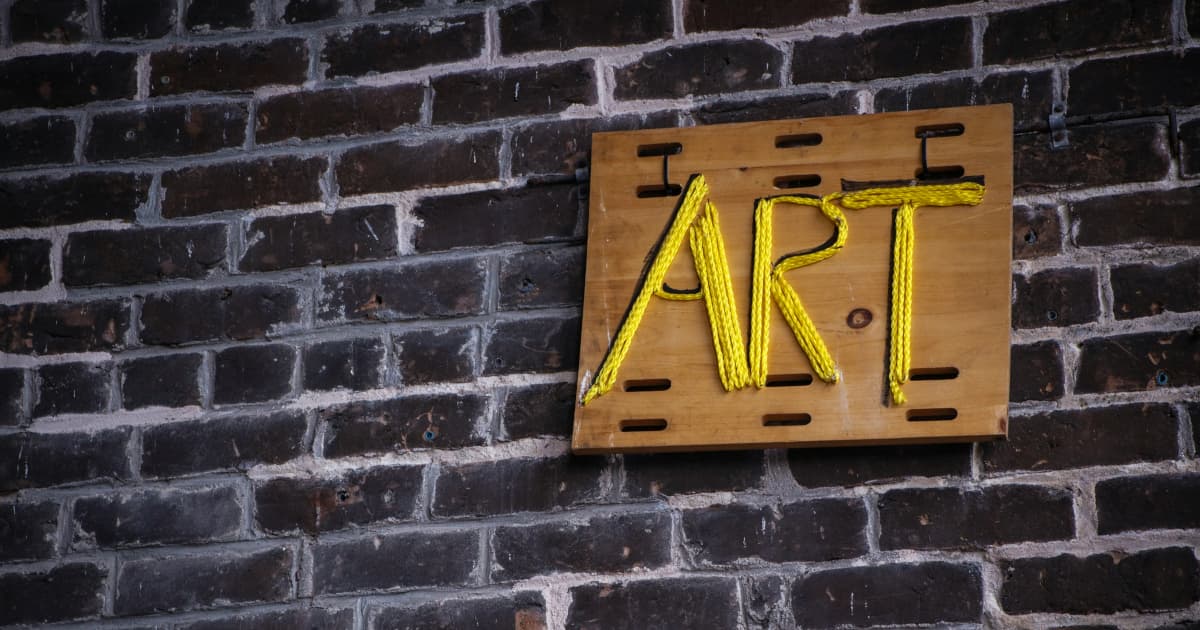
The Church of Scientology National Affairs Office partnered with Youth for Human Rights International's Washington, D.C. chapter and Art Impact International to present a human rights-focused art exhibition that attracted more than 100 visitors. The "United for Human Rights" pop-up exhibit took place at the historic Fraser Mansion in Dupont Circle as part of the monthly First Friday: Art Walk Dupont Circle program, showcasing artistic expressions dedicated to human rights themes.
Seven distinguished artists participated in the exhibition, displaying diverse works including portraits of famous human rights activists, landscapes, abstract pieces, layered artwork, batik art, and wax on glass creations. Artists Carolyn Goodridge, E. J. Lee, P.J.P. Martin, Sharon Robinson, Patrick Smith, and J. Thomas Wells attended the event in person, discussing their work and the human rights concepts that inspired them. Artwork by Hubert Jackson was also displayed and discussed by Carolyn Goodridge during the exhibition.
Azhar Haq, Executive Director of Youth for Human Rights International's D.C. chapter, highlighted the unique power of art in human rights advocacy during the event. "Art speaks where words can't fully communicate the same concepts," Haq stated. "As we enter the holiday season, peace is even more meaningful. Art brings people of all different beliefs and cultures together to appreciate something beautiful."
Beyond the visual art display, the event provided free educational materials on the United Nations Universal Declaration of Human Rights to attendees, distributed by Youth for Human Rights International. The organization's mission focuses on promoting human rights awareness and advocacy through creative expression. These educational resources about the UN Universal Declaration of Human Rights remain available free at www.youthforhumanrights.org, while additional information can be found at https://www.facebook.com/YHRDC.
The exhibition occurred within the framework of Art Walk Dupont, a recurring cultural program that brings free art exhibits to galleries, embassies, and cultural centers throughout the historic Dupont Circle neighborhood. This monthly event provides ongoing opportunities for community engagement with diverse artistic expressions while supporting cultural exchange and dialogue around important social issues through the universal language of art. The collaboration demonstrates how artistic platforms can serve as accessible entry points for public education about fundamental human rights principles, reaching audiences who might not otherwise engage with traditional advocacy materials. By combining visual creativity with educational resources, organizers created a multidimensional experience that both celebrated artistic achievement and advanced substantive understanding of human rights frameworks.
This event's significance lies in its model of cross-sector partnership between religious, educational, and artistic organizations to address social issues through cultural programming. The exhibition's location within an established community art walk ensured visibility among regular cultural participants while attracting new audiences specifically interested in human rights themes. Such initiatives represent a growing trend of using art as both a catalyst for dialogue and a vehicle for social education, particularly regarding universal principles that transcend political and cultural boundaries. The distribution of materials about the Universal Declaration of Human Rights alongside artistic interpretations creates complementary approaches to awareness-building, appealing to both emotional and intellectual engagement with human rights concepts.